When it comes to food storage, Mylar bags have emerged as a popular option among both casual users and serious preppers. These versatile bags are not only effective at preserving food but also come with a range of benefits that make them a top choice for long-term storage. In this ultimate guide, we will delve into the ins and outs of Mylar bags, exploring their features, uses, benefits, and best practices for storage.
What are Mylar Bags?
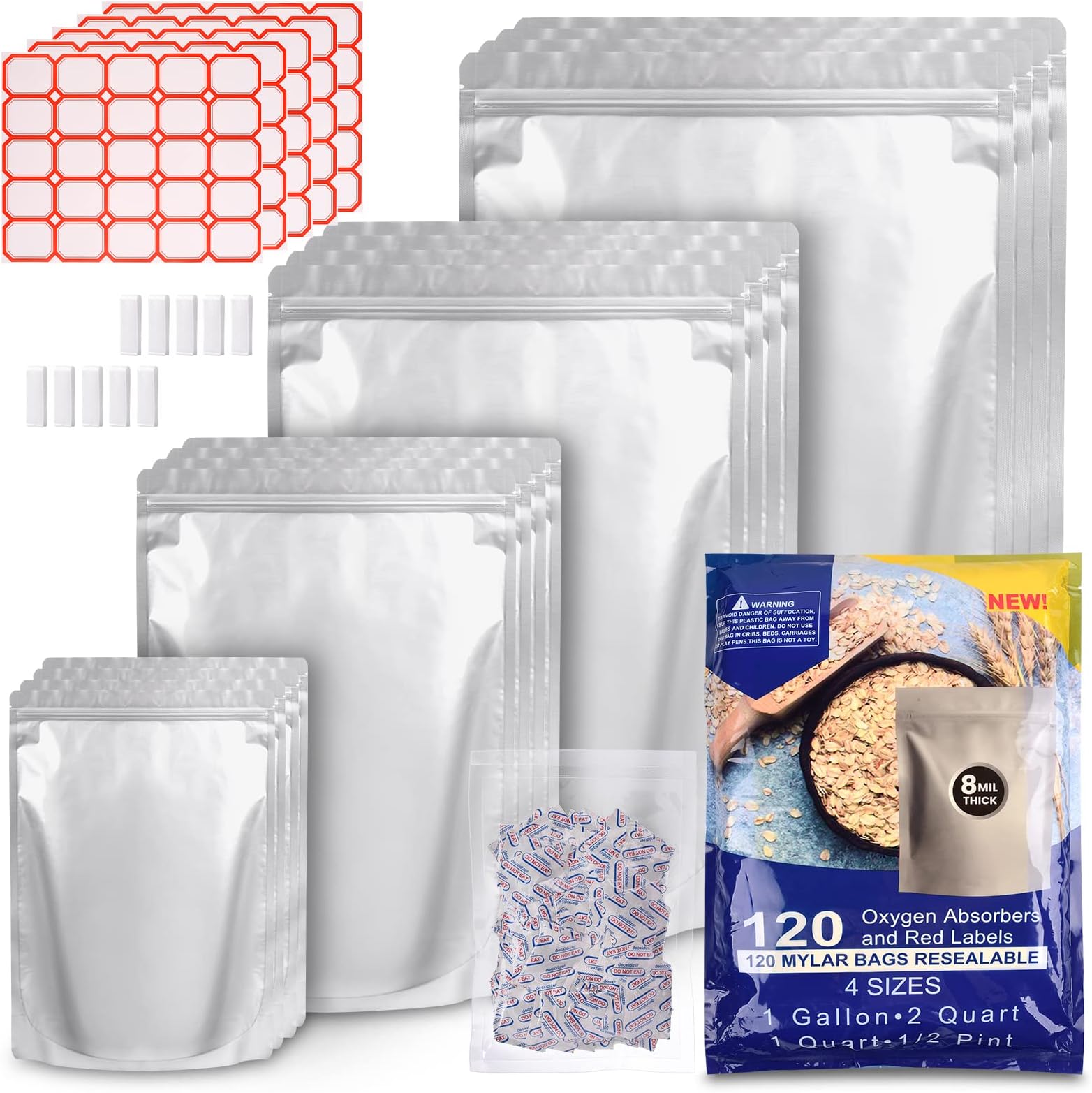
Mylar bags are made from a type of polyester film known as biaxially oriented polyethylene terephthalate (BoPET). This material is known for its exceptional barrier properties, which make it ideal for food storage. Mylar bags are often lined with aluminum foil, providing a complete barrier against moisture, light, and oxygen—key elements that contribute to food spoilage.
Benefits of Using Mylar Bags for Food Storage

- Long Shelf Life: Mylar bags can extend the shelf life of food significantly, often up to 25 years or more when stored properly.
- Protection Against Pests: The thick material is resistant to punctures, making it difficult for pests like rodents and insects to access the food inside.
- Cost-Effective: Mylar bags are relatively inexpensive compared to other storage options, especially when considering their durability and effectiveness.
- Lightweight and Portable: Mylar bags are easy to transport, making them ideal for camping, hiking, and emergency preparedness kits.
- Customizable Sizes: Mylar bags come in various sizes, catering to different food storage needs—from small snacks to bulk grains.
How to Use Mylar Bags for Food Storage
Using Mylar bags for food storage is a straightforward process, but it does require some attention to detail to ensure maximum effectiveness. Here’s a step-by-step guide:
Step 1: Choose the Right Size Mylar Bag
Determine how much food you want to store and choose a Mylar bag that fits your needs. Popular sizes range from 1 quart to 5 gallons.
Step 2: Prepare the Food
Make sure the food is dried, if necessary, and free from moisture. For items like grains, beans, and dehydrated fruits, ensure they are completely dry before storage.
Step 3: Fill the Mylar Bag
Carefully fill the Mylar bag with the prepared food, leaving some space at the top to allow for sealing. It’s essential not to overfill the bag.
Step 4: Remove Air from the Bag
To maximize the shelf life, remove as much air as possible from the bag before sealing. You can do this using a vacuum sealer or by manually squeezing out the air. An oxygen absorber can also be added to consume any residual oxygen.
Step 5: Seal the Mylar Bag

Use a heat sealer to seal the top of the Mylar bag. Make sure the seal is complete to prevent air and moisture from entering.
Step 6: Store the Sealed Bags
Store the sealed Mylar bags in a cool, dark, and dry place. Avoid direct sunlight and excessive heat, which can compromise the integrity of the bags.
Common Uses for Mylar Bags
Mylar bags are incredibly versatile and can be used for a variety of food items:
- Grains: Rice, wheat, oats, and other grains can be stored for long periods without spoiling.
- Legumes: Beans and lentils are also excellent candidates for Mylar bag storage.
- Dried Fruits and Vegetables: Dehydrated foods maintain their quality when stored in Mylar bags.
- Powdered Foods: Items like powdered milk, protein powder, and baking mixes are ideal for Mylar storage.
- Snacks: Nuts, trail mixes, and granola can be stored for extended periods without losing their flavor or crunch.
Case Studies: Mylar Bag Success Stories

Many individuals and organizations have successfully utilized Mylar bags for food storage. Here are a few noteworthy examples:
Case Study 1: Family Preparedness

The Johnson family, living in a rural area, decided to stockpile food for emergencies. They began using Mylar bags to store grains, legumes, and dehydrated fruits. Over a five-year period, they found that their stored food remained fresh and edible, allowing them to weather unexpected shortages without relying on external sources.
Case Study 2: Food Banks

A local food bank adopted Mylar bags to package bulk items for distribution to families in need. By using Mylar bags, they were able to extend the shelf life of their food supplies, ensuring that recipients received high-quality, nutritious items.
Statistics on Food Waste and the Importance of Proper Storage
According to the Food and Agriculture Organization (FAO), approximately one-third of all food produced globally is wasted. Proper food storage can significantly reduce this waste. Mylar bags, with their long-term storage capabilities, can play a crucial role in minimizing food loss.
- Approximately 1.3 billion tons of food is wasted each year.
- In the United States alone, food waste is estimated at 30-40% of the food supply.
- Storing food properly can save families an average of $1,500 annually.
Best Practices for Storing Mylar Bags
To ensure the best results when using Mylar bags for food storage, consider the following best practices:
- Use Oxygen Absorbers: Adding oxygen absorbers can help extend the shelf life of your food significantly.
- Label Your Bags: Always label your Mylar bags with the contents and date of storage for easy identification.
- Check for Leaks: Before storing, ensure that the bags are sealed properly and check for any leaks.
- Store in a Controlled Environment: Keep the bags in a cool, dark place to maintain their effectiveness.
- Rotate Stock: Use older items first to prevent spoilage and ensure that your food supply remains fresh.
Mylar bags are an invaluable tool for anyone looking to extend the shelf life of their food. From their protective qualities against moisture, light, and oxygen to their ability to store a wide variety of food items, Mylar bags offer a practical solution for food storage needs. By following the best practices outlined in this guide, you can maximize the efficiency of your food storage efforts and reduce waste significantly. As more individuals and families recognize the importance of preparedness and sustainability, Mylar bags stand out as a reliable option for ensuring that food remains safe and consumable for years to come. Invest in Mylar bags today and take a proactive step towards better food storage and preservation.