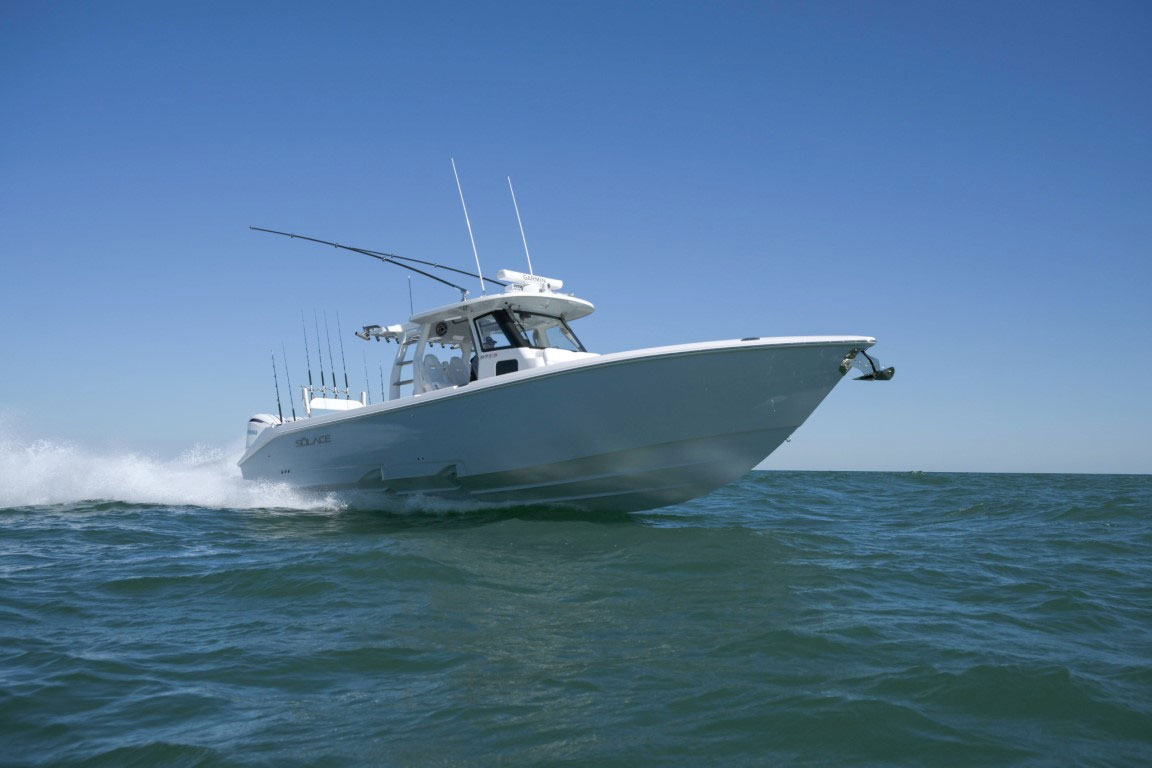
When it comes to maintaining a boat, choosing the right spray paint is crucial for both aesthetics and protection. The marine environment poses unique challenges, from saltwater corrosion to UV damage. In this ultimate guide, we will explore the different types of spray boat paints, factors to consider when choosing the right one, and practical tips for achieving a professional finish.
Understanding the Types of Spray Boat Paint

Before diving into the selection process, it’s essential to understand the various types of spray boat paints available in the market. Each type serves a unique purpose and has distinct properties.
- Acrylic Paint: Known for its fast drying time and ease of use, acrylic paint is a popular choice for many boat owners. It provides good color retention and is resistant to fading from UV exposure.
- Polyurethane Paint: This type offers excellent durability and resistance to abrasion, making it ideal for high-wear areas. Polyurethane paints are often used for topcoats, providing a glossy finish.
- Epoxy Paint: Epoxy paints are renowned for their superior adhesion and resistance to water and chemicals. They are often used for undercoats or for areas exposed to harsh conditions.
- Enamel Paint: Enamel paints provide a hard, durable finish that can withstand the elements. They are available in both oil-based and water-based formulations.
- Antifouling Paint: Specifically designed to prevent the growth of marine organisms like barnacles and algae, antifouling paints are critical for the hull of the boat. They come in various formulations, including ablative and hard paints.
Factors to Consider When Choosing Spray Boat Paint

Selecting the right spray paint for your boat involves several considerations, each vital for ensuring the longevity and appearance of your vessel.
1. Boat Material
The material of your boat plays a significant role in determining the type of paint you should use. Different materials have unique properties that require specific paint formulations:
- Fiberglass: Acrylic and polyurethane paints adhere well to fiberglass and provide an attractive finish.
- Aluminum: Use epoxy or specialized aluminum primers to prevent corrosion and ensure a strong bond.
- Wood: Marine-grade paints with antifungal properties are essential for wooden boats to prevent rot and decay.
2. Environmental Conditions
The marine environment can be harsh, with factors such as saltwater, UV rays, and temperature fluctuations. Consider the following:
- UV Resistance: Look for paints that offer UV protection to prevent fading over time.
- Water Resistance: Ensure the paint can withstand prolonged exposure to water, especially for underwater surfaces.
- Temperature Fluctuations: Some paints perform better in extreme temperatures than others. Check the manufacturer’s specifications.
3. Finish Type
The finish of the paint can affect both the appearance and maintenance of your boat:
- Glossy Finish: Provides a shiny look and is easier to clean but may show imperfections.
- Matte Finish: Hides imperfections but can be harder to maintain.
4. Ease of Application

Some paints are easier to apply than others. If you are considering a DIY project, look for paints that are user-friendly:
- Spray Cans: Convenient for touch-ups and small projects.
- Spray Guns: Ideal for larger areas but require additional equipment and setup.
Application Techniques for a Professional Finish
Once you have chosen the right paint, the application process is crucial for achieving a professional-looking finish. Here are some tips:
Preparation
Proper preparation is essential for the paint to adhere correctly and last longer:
- Clean the Surface: Remove any dirt, grease, or old paint using a marine-grade cleaner.
- Sanding: Sand the area to create a smooth surface and improve adhesion.
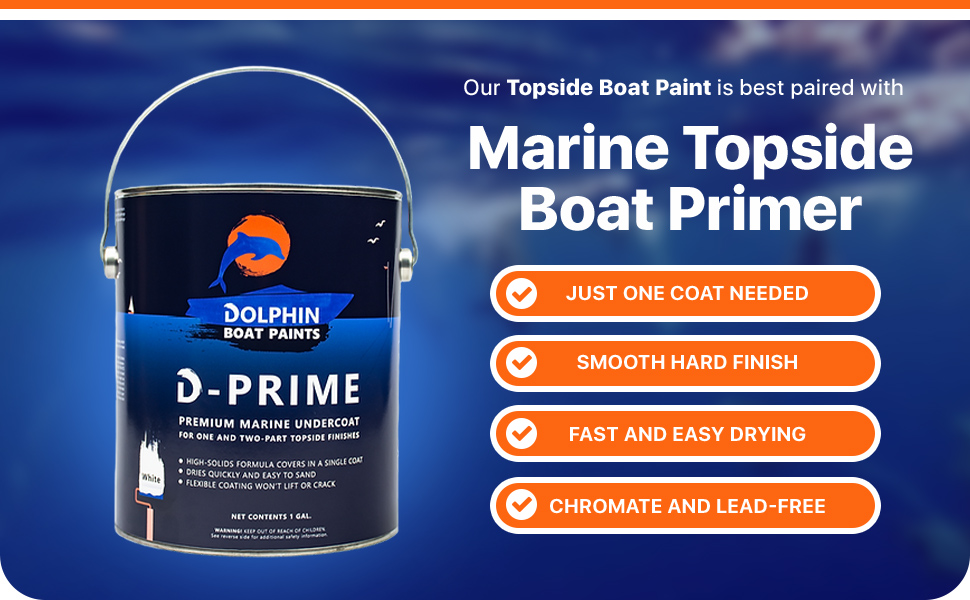
- Priming: Use a suitable primer before applying paint, especially on bare metal or wood.
Application
Follow these steps to ensure an even application:
- Temperature: Apply paint in moderate temperatures (ideally between 50-85°F) to avoid issues with drying and adhesion.
- Technique: Use smooth, even strokes, and maintain a consistent distance from the surface.
- Multiple Coats: Apply multiple thin coats rather than one thick coat for better results.
Curing and Maintenance
Allow the paint to cure fully as per the manufacturer’s instructions. Regular maintenance will also extend the life of your paint:
- Washing: Regularly wash your boat with fresh water to remove salt and dirt.
- Inspecting: Check for chips, scratches, or signs of wear and address them promptly.
Case Studies: Success Stories in Spray Boat Painting
To illustrate the importance of choosing the right paint, let’s look at a couple of case studies of boat owners who successfully restored their vessels.
Case Study 1: The Sailboat Restoration

John, an avid sailor, decided to restore his 30-year-old sailboat. He chose a high-quality epoxy paint for its durability and water resistance. After thorough preparation, including sanding and priming, he applied multiple coats. The result was a stunning transformation. John reported that the new finish not only enhanced the boat’s appearance but also improved its performance in the water.
Case Study 2: The Fishing Boat Upgrade
Lisa, a fishing enthusiast, opted for a polyurethane spray paint for her aluminum fishing boat. She wanted a glossy finish that would be easy to clean. After applying the paint, she found that it provided excellent protection against scratches and abrasions, significantly extending the life of her boat.
Statistics: The Impact of Quality Paint
Investing in quality spray boat paint can significantly impact the longevity and performance of your vessel. According to a study by the National Marine Manufacturers Association:
- Boats that are regularly maintained and properly painted can last up to 30% longer than those that are not.
- Properly applied antifouling paint can reduce maintenance costs by up to 50% over time.
Choosing the right spray boat paint is essential for protecting your investment and ensuring its longevity. By understanding the different types of paints available, considering factors such as boat material, environmental conditions, and finish type, and employing proper application techniques, you can achieve a professional finish that not only looks great but also stands up to the demands of the marine environment.
Whether you’re restoring an old vessel or maintaining a new one, the right paint can make all the difference. So, equip yourself with the knowledge from this guide, and set sail with confidence, knowing your boat is well-protected and visually stunning.