Bachata, a genre that originated in the Dominican Republic, has evolved significantly over the years, transforming from its traditional roots into a global phenomenon. One of the pivotal figures in this evolution is Romeo Santos, the former lead singer of the iconic group Aventura. His approach has redefined bachata, blending traditional elements with modern influences, making it accessible and appealing to a wider audience. This article explores the evolution of bachata through Santos’ career and the “Romeo Santos formula” that has contributed to the genre’s global success.
The Birth of Bachata: A Cultural Overview

Before delving into the modern evolution of bachata, it’s essential to understand its origins. Bachata emerged in the early 20th century in the rural neighborhoods of the Dominican Republic, characterized by its romantic themes and use of guitars, bongo drums, and maracas. Initially viewed as music of the lower classes, bachata faced social stigma but gradually gained popularity through the 1980s and 1990s.
- **Rural Origins**: Bachata started in rural areas, reflecting the struggles and stories of everyday life.
- **Cultural Significance**: The genre represents themes of love, loss, and heartbreak, resonating deeply with audiences.
- **Instrumentation**: Traditional bachata relies on guitars, bongo drums, and maracas, creating a distinctive sound.
Romeo Santos: The Face of Modern Bachata
Romeo Santos was born on July 21, 1981, in The Bronx, New York, to Dominican parents. His upbringing in a culturally rich environment allowed him to fuse traditional bachata with various musical styles, including R&B, hip-hop, and pop. As the lead singer of Aventura, Santos played a crucial role in popularizing bachata in the early 2000s, paving the way for its global acceptance.
Aventura’s Breakthrough
![Formula Vol. 2 (Deluxe Edition) by Romeo Santos [Music CD] Amazon](https://images-na.ssl-images-amazon.com/images/I/51jIfH3rOiL._SX355_.jpg)
Aventura, formed in 1994, was instrumental in bringing bachata to mainstream audiences. Their 2003 album, “We Broke the Rules,” featured hits like “Obsesión,” which topped charts in several countries and marked a significant milestone in bachata’s evolution. The band’s ability to blend bachata with urban and pop music elements set the stage for Santos’ solo career.
- **Crossover Success**: Aventura’s fusion of genres attracted a diverse fan base, breaking cultural barriers.
- **Innovative Storytelling**: Their lyrics often told compelling stories, enhancing the emotional connection with listeners.
- **Collaborations**: Collaborating with artists like Wisin & Yandel and Daddy Yankee broadened their appeal.
The Solo Career of Romeo Santos: Redefining Bachata
In 2011, Santos embarked on a solo career, which marked a new era for bachata. His debut album, “Formula, Vol. 1,” released in 2011, featured collaborations with artists from various genres, including Usher and Lil Wayne, showcasing his innovative approach to music. This album not only topped the Latin charts but also reached a wider international audience.
The Romeo Santos Formula: Key Elements
The “Romeo Santos formula” can be dissected into several key elements that have contributed to his success and the evolution of bachata:
- **Fusion of Genres**: Santos seamlessly blends bachata with pop, R&B, and hip-hop, making the genre more relatable to a diverse audience.
- **Star Collaborations**: By collaborating with mainstream artists, Santos introduces bachata to fans who may not have previously engaged with the genre.
- **Emotional Storytelling**: His lyrics often revolve around universal themes of love and heartbreak, resonating with a broad demographic.
- **Visual Appeal**: Music videos featuring elaborate storytelling and high production values have enhanced the genre’s appeal.
Case Study: Formula, Vol. 2
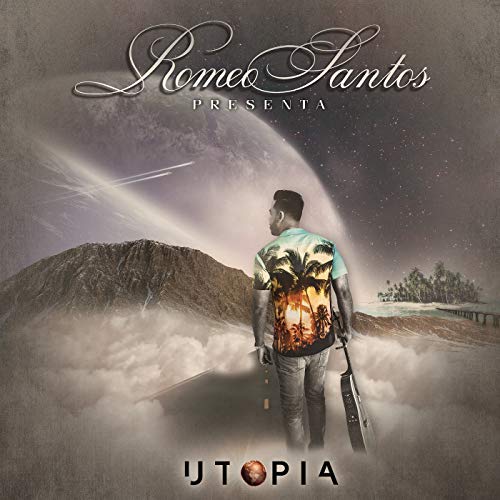
In 2014, Santos released “Formula, Vol. 2,” which further solidified his status as a bachata superstar. This album featured even more high-profile collaborations, including artists like Marc Anthony, Tego Calderón, and Thalía. The single “Propuesta Indecente” became a massive hit, showcasing Santos’ ability to blend sensual lyrics with catchy melodies.
- **Chart Performance**: The album debuted at number one on the Billboard Latin Albums chart and included several chart-topping singles.
- **Cultural Impact**: The music video for “Propuesta Indecente” garnered millions of views, reflecting the growing popularity of bachata worldwide.
- **Awards and Recognition**: Santos received numerous accolades, including Latin Grammy nominations, highlighting his contribution to the genre.
The Globalization of Bachata

Romeo Santos’ influence extends beyond his music; he is a cultural ambassador for bachata. His global tours and performances have introduced the genre to audiences in major cities worldwide, from New York to Madrid to Mexico City. The globalization of bachata can be attributed to several factors:
- **Digital Platforms**: Streaming services and social media have allowed bachata to reach international audiences, breaking down geographical barriers.
- **Cultural Festivals**: Events like the Bachata Festival in the Dominican Republic attract tourists and promote the genre globally.
- **Emergence of New Artists**: Inspired by Santos, new artists like Ozuna and Prince Royce are infusing bachata with fresh sounds, further popularizing the genre.
Statistics and Impact

According to the Latin American Music Market Report, bachata has seen a significant increase in streaming and sales over the past decade. In 2020, bachata music streams increased by over 45% on platforms like Spotify and Apple Music. This rise reflects not only Santos’ popularity but also the genre’s growing acceptance worldwide.
The Future of Bachata
The future of bachata looks promising, especially with artists continuing to innovate while respecting the genre’s roots. Emerging talents are experimenting with sounds and collaborations, ensuring that bachata remains relevant in a rapidly changing musical landscape.
Challenges and Opportunities
![TWICE BETWEEN 1&2[Archive ver.] Music](https://m.media-amazon.com/images/I/61Liyf9eFKL._SL1500_.jpg)
While the globalization of bachata presents exciting opportunities, it also comes with challenges. Maintaining the genre’s cultural integrity while appealing to a broader audience is crucial for its future. Artists and producers must strike a balance between innovation and tradition.
- **Preserving Traditional Elements**: It’s essential to keep traditional instruments and themes alive amidst the fusion of genres.
- **Addressing Cultural Appropriation**: As bachata becomes more popular, discussions around cultural appropriation and ownership are crucial.
- **Supporting Emerging Artists**: Established artists should mentor and collaborate with newcomers to foster talent within the genre.
The evolution of bachata, particularly through the lens of Romeo Santos’ career, highlights the genre’s dynamic nature and its ability to adapt while retaining its essence. Through innovative collaborations, emotional storytelling, and a commitment to cultural roots, Santos has not only redefined bachata but also expanded its reach to a global audience. As the genre continues to evolve, it faces both challenges and opportunities in maintaining its integrity while embracing new influences. Bachata’s journey is a testament to the power of music to transcend boundaries and connect people from diverse backgrounds.