In the world of photography, versatility is key. All-in-one lenses provide photographers the flexibility to capture a wide range of subjects without the need to switch lenses constantly. Among the contenders in this category is the Tamron 18-300mm f/3.5-6.3 Di III-A VC VXD, a powerful zoom lens designed for Fuji cameras. In this article, we will compare the Tamron 18-300mm with other popular all-in-one lenses available for Fuji systems, examining their features, performance, and suitability for different photography styles.
Understanding All-in-One Lenses

All-in-one lenses, also known as superzooms, are designed to cover a wide focal range, allowing photographers to shoot landscapes, portraits, and even wildlife without the hassle of changing lenses. These lenses are particularly appealing to amateur photographers, travel enthusiasts, and anyone seeking convenience without compromising too much on image quality.
When evaluating all-in-one lenses, there are several factors to consider:
- Focal Length Range: The range of focal lengths available can significantly impact the versatility of the lens.
- Aperture: A larger maximum aperture allows for better low-light performance and depth of field control.
- Image Stabilization: This feature helps to reduce blurriness caused by camera shake, particularly useful at longer focal lengths.
- Build Quality: A durable construction can withstand the rigors of travel and outdoor photography.
- Weight and Size: Lighter and more compact lenses are often preferred for travel and street photography.
The Tamron 18-300mm Overview

The Tamron 18-300mm f/3.5-6.3 Di III-A VC VXD lens is an excellent choice for Fuji X-mount users, offering a focal length equivalent to 27-450mm in full-frame terms. It combines a wide-angle to telephoto zoom range, making it ideal for a variety of photography styles.
Key Features of the Tamron 18-300mm
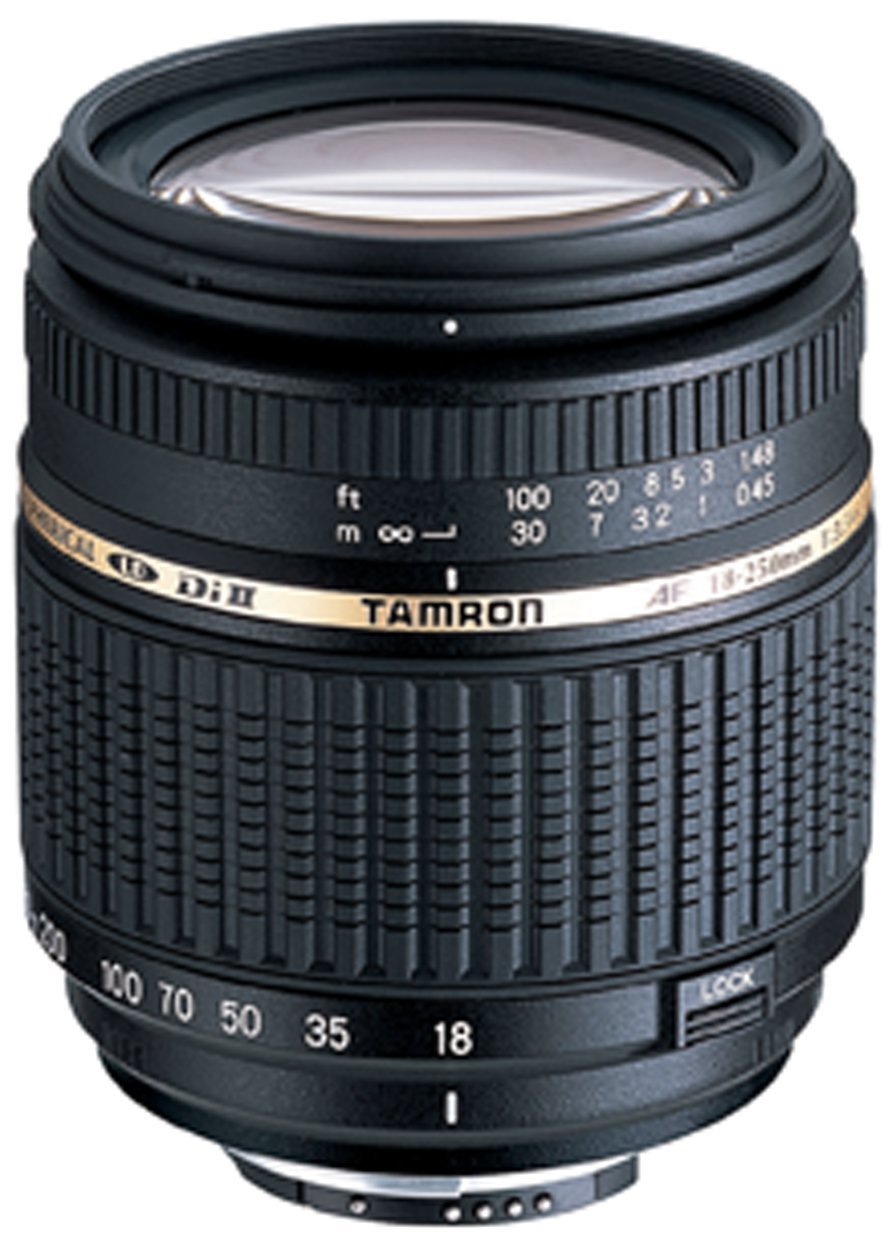
- Versatile Focal Length: From landscapes to close-up portraits, the lens covers a broad spectrum of shooting scenarios.
- Vibration Compensation (VC): The built-in image stabilization helps to counteract camera shake, particularly beneficial in low-light conditions.
- Fast Autofocus: The VXD (Voice-coil eXtreme-torque Drive) autofocus system delivers quick and accurate focusing, enhancing the shooting experience.
- Weather-Sealed Design: The lens is designed to withstand moisture and dust, making it a great companion for outdoor photography.
- Compact and Lightweight: Weighing around 620g, it is relatively lightweight for a lens with such a broad zoom range.
Comparing with Other All-in-One Lenses for Fuji

To provide a comprehensive comparison, we will look at a few other popular all-in-one lenses designed for Fuji cameras: the Fujifilm 18-135mm f/3.5-5.6, the Fujifilm 16-80mm f/4, and the Sigma 18-50mm f/2.8 DC DN. Each of these lenses has unique features that cater to different photographic needs.
Fujifilm 18-135mm f/3.5-5.6
The Fujifilm 18-135mm is another versatile option, providing a focal length equivalent to 27-202mm. Here are some of its standout features:
- Weather-Sealed: Like the Tamron, it features a weather-sealed design, making it suitable for outdoor use.
- Optical Image Stabilization: This lens also incorporates OIS, which helps in achieving sharper images at slower shutter speeds.
- Good Build Quality: Fujifilm is known for its solid construction, and this lens is no exception.
However, its focal length range is narrower compared to the Tamron, which could limit creative options for some photographers.
Fujifilm 16-80mm f/4
The Fujifilm 16-80mm f/4 is a favorite among landscape and travel photographers due to its constant f/4 aperture and excellent image quality. Here’s how it compares:
- Constant Aperture: The f/4 aperture allows for consistent exposure settings throughout the zoom range, making it easier to work in varying lighting conditions.
- Lightweight Design: Weighing in at about 315g, it is significantly lighter than the Tamron.
- Image Quality: Known for its sharpness and color rendition, this lens excels in producing high-quality images.
Despite these advantages, the focal length range is limited compared to the Tamron, which may not suit those needing more reach.
Sigma 18-50mm f/2.8 DC DN
The Sigma 18-50mm is a compact zoom lens that offers a fast f/2.8 aperture throughout its range. While it is not as versatile in terms of focal length, it excels in other areas:
- Wide Aperture: The constant f/2.8 aperture allows for better low-light performance and depth of field control.
- Compact Size: Its lightweight and compact design makes it a great choice for street and travel photography.
- Excellent Optical Quality: Sigma lenses are renowned for their sharpness and image quality.
However, the limited zoom range makes it less versatile for those who prefer a broader focal length spectrum.
Performance Comparison
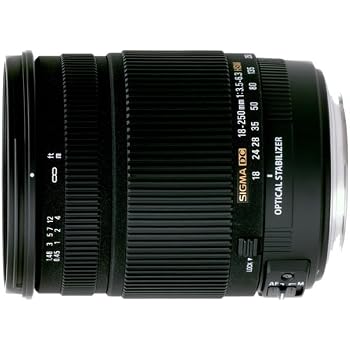
When evaluating these lenses, it is crucial to consider their performance in real-world situations. Here are some comparative aspects:
- Image Quality: The Tamron 18-300mm holds its own in terms of sharpness, particularly at the wide end. However, the Fujifilm 16-80mm is often regarded as superior in image quality.
- Autofocus Speed: Both the Tamron and Fujifilm lenses feature fast and reliable autofocus systems, making them suitable for capturing moving subjects.
- Low-Light Performance: Lenses with larger apertures, like the Sigma 18-50mm, excel in low-light settings, while the Tamron’s f/6.3 at the long end may struggle without stabilization.
Choosing the right all-in-one lens for your Fuji camera ultimately boils down to your specific photography needs and preferences. The Tamron 18-300mm f/3.5-6.3 offers impressive versatility and a wide focal length range, making it an excellent choice for those who want to capture everything from landscapes to wildlife without changing lenses. In contrast, the Fujifilm 18-135mm provides a solid option with excellent build quality and weather sealing, while the Fujifilm 16-80mm excels in image quality and a constant aperture. Lastly, the Sigma 18-50mm, with its compact size and fast aperture, is perfect for street and travel photography, even if it lacks the zoom range of the other contenders.
Ultimately, consider your shooting style, the types of subjects you most enjoy photographing, and the conditions in which you’ll be shooting. Each lens has its strengths and weaknesses, and understanding these will help you make an informed decision that enhances your photographic journey.