In the world of fitness and bodybuilding, protein bars have emerged as a convenient and popular supplement for muscle growth and recovery. With the rapid growth of the health food market, selecting the best protein bar can be overwhelming due to the plethora of options available. This article aims to compare various protein bars based on their nutritional profiles, ingredient quality, and effectiveness for muscle growth. We’ll provide insights on what to look for in a protein bar and suggest some of the best options on the market.
Understanding Protein and Muscle Growth

Before diving into the comparison of protein bars, it’s essential to understand the role of protein in muscle growth. Protein is a macronutrient composed of amino acids, which are vital for repairing and building muscle tissues. During resistance training, muscle fibers are broken down, and protein intake post-workout is crucial for recovery and growth.
According to the American College of Sports Medicine, individuals engaged in intense training should aim for 1.2 to 2.0 grams of protein per kilogram of body weight per day, depending on their activity level. This is where protein bars can serve as an effective supplement, providing a quick and portable source of protein.
What to Look for in a Protein Bar
When selecting a protein bar for muscle growth, several factors should be considered:
- Protein Content: Look for bars that contain at least 20 grams of protein per serving.
- Type of Protein: Whey protein is often considered superior due to its complete amino acid profile, but plant-based proteins can also be effective.
- Carbohydrates and Fats: Choose bars that balance carbohydrates and fats to meet your dietary goals. Low-sugar options are preferable.
- Ingredients: Avoid bars with artificial additives and preservatives; prioritize natural ingredients.
- Texture and Taste: A protein bar should be enjoyable to eat; otherwise, it may not become a regular part of your diet.
Top Protein Bars for Muscle Growth

Here, we’ll evaluate some of the best protein bars available, focusing on their nutritional profiles and effectiveness for muscle growth.
1. Quest Bars
Quest Bars have gained immense popularity among fitness enthusiasts. They are made with whey and milk protein and contain around 20 grams of protein per bar.
- Protein: 20g
- Carbohydrates: 4g net carbs
- Fats: 8g
- Calories: 200
Quest Bars are also high in fiber, which aids digestion and keeps you feeling full longer. With minimal sugars, they are an excellent option for those watching their carbohydrate intake.
2. RXBAR
RXBARs emphasize whole food ingredients, featuring egg whites, nuts, and dates as primary components. Each bar provides about 12 grams of protein.
- Protein: 12g
- Carbohydrates: 24g (mostly from dates)
- Fats: 7g
- Calories: 210
Although RXBARs contain more carbohydrates compared to others, they are an excellent source of energy and are made from clean, whole food sources, which can be beneficial for post-workout recovery.
3. Clif Builder’s Protein Bar
Clif Builder’s Protein Bars are designed for athletes who need a protein boost on the go. Each bar contains 20 grams of protein sourced from soy and other plant-based proteins.
- Protein: 20g
- Carbohydrates: 30g
- Fats: 6g
- Calories: 280
These bars are higher in carbohydrates, making them suitable for recovery after intense workouts. However, they do contain added sugars, so moderation is key.
4. ONE Protein Bar
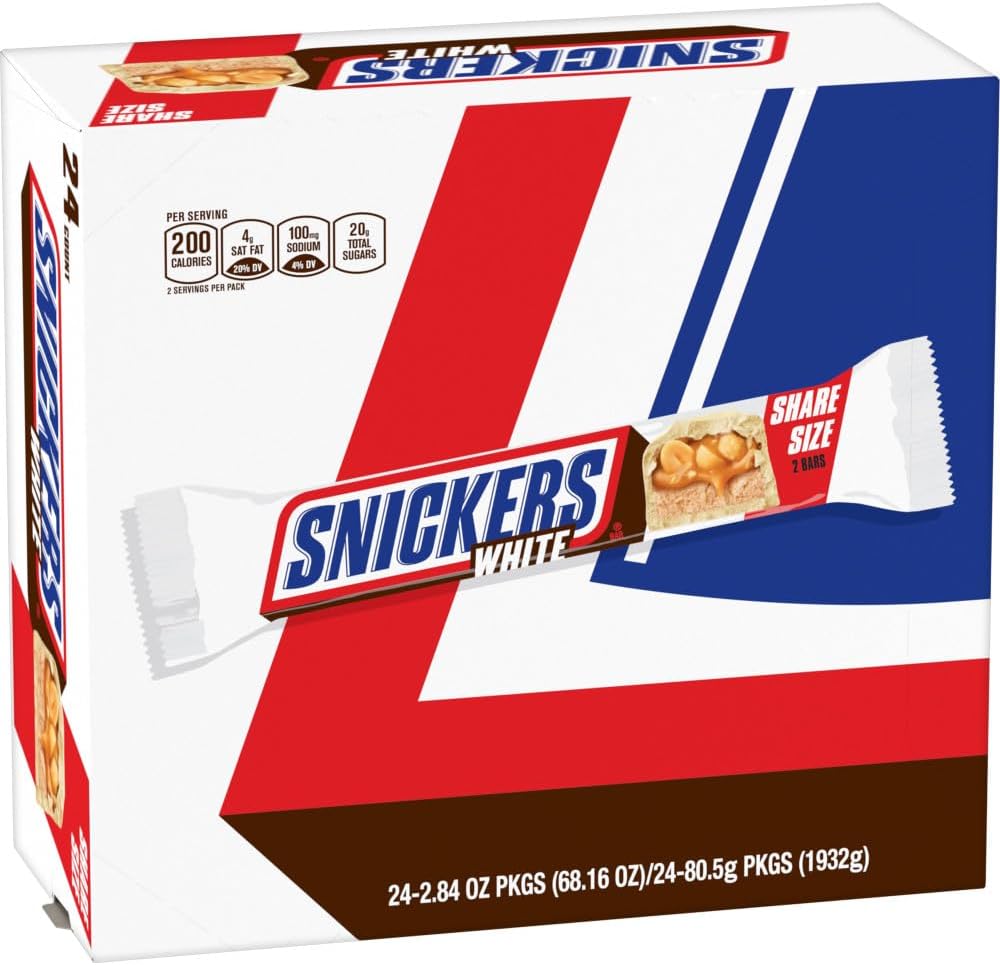
ONE Protein Bars have become a favorite among fitness enthusiasts due to their taste and nutritional profile. Each bar packs 20 grams of protein, primarily from whey.
- Protein: 20g
- Carbohydrates: 23g
- Fats: 7g
- Calories: 230
These bars are low in sugar, making them a great option for those who want a guilt-free snack that also supports muscle recovery.
Case Studies: Real-World Impact of Protein Bars
To further illustrate the efficacy of protein bars, consider the following case studies:
Case Study 1: The Busy Professional

Mark, a 32-year-old marketing executive, struggled to maintain his protein intake due to a demanding work schedule. After incorporating Quest Bars into his daily routine, he managed to meet his protein goals with ease. Mark reported increased energy levels and improved muscle recovery after workouts.
Case Study 2: The Aspiring Bodybuilder
Sarah, a 25-year-old aspiring bodybuilder, included RXBARs in her pre- and post-workout meals. The whole food ingredients helped her feel satiated, and she noticed a significant improvement in muscle recovery and growth over a three-month period.
Statistics on Protein Bar Consumption
The protein bar market is thriving, with the global protein bar market expected to reach approximately $1.6 billion by 2025, according to Statista. This growth reflects the increasing consumer awareness of fitness and healthy eating. Additionally, a survey by the International Food Information Council found that 60% of adults consume protein bars as a convenient snack or meal replacement.
Choosing the Right Protein Bar for You

In conclusion, protein bars can be an effective supplement for muscle growth when chosen wisely. Quest Bars and ONE Protein Bars are excellent options for those seeking high protein and low sugar, while RXBARs provide whole food ingredients for those who prefer cleaner options. Clif Builder’s Protein Bars are suitable for those who need extra carbohydrates for recovery.
As you navigate the myriad of available protein bars, remember to consider your dietary needs, goals, and personal preferences. By selecting the right protein bar, you can effectively support your muscle growth journey while enjoying a convenient snack. Whether you’re a busy professional or an aspiring bodybuilder, there’s a protein bar out there that can fit seamlessly into your lifestyle.