Copper sulfate, known scientifically as copper(II) sulfate (CuSO₄), is a widely used algaecide in various aquatic environments. With its effectiveness in controlling algae blooms and its role in maintaining water quality, it has become a staple for farmers, aquaculture operators, and municipal water treatment facilities. This article delves into the science of copper sulfate, exploring how it works as an algaecide, its effects on aquatic ecosystems, and its application in different contexts.
Understanding Algae and Its Impact

Before discussing copper sulfate, it’s essential to understand what algae are and why they can be problematic. Algae are simple, photosynthetic organisms found in various aquatic environments, from freshwater lakes to oceans. While they play a crucial role in the ecosystem by producing oxygen and serving as a food source for aquatic life, excessive growth can lead to severe ecological and health issues.
- Algal Blooms: Rapid growth of algae, known as algal blooms, can deplete oxygen levels in water, leading to fish kills and the death of other aquatic organisms.
- Toxicity: Some algae produce toxins that are harmful to humans and animals, affecting drinking water supplies and recreational waters.
- Water Quality: Algal blooms can degrade water quality, making it unsuitable for recreational use and impacting tourism.
What is Copper Sulfate?
Copper sulfate is an inorganic compound composed of copper, sulfur, and oxygen. It appears as a blue crystalline solid and is soluble in water. This compound has a long history of use in agriculture, horticulture, and aquaculture.
In the context of water treatment, copper sulfate acts primarily as an algaecide, targeting and controlling the growth of algae in ponds, lakes, and reservoirs. Its effectiveness stems from its ability to disrupt cellular processes in algae.
Mechanism of Action: How Copper Sulfate Works
The effectiveness of copper sulfate as an algaecide is attributed to several mechanisms:
- Cell Membrane Disruption: Copper ions (Cu²⁺) penetrate the algal cells, disrupting their cell membranes. This process leads to cell lysis, ultimately killing the algae.
- Enzyme Inhibition: Copper ions inhibit key enzymes involved in cellular respiration and photosynthesis in algae, which are essential for energy production and growth.
- Nutrient Uptake Interference: Copper interferes with the uptake of essential nutrients like phosphorus and nitrogen, which are vital for algal growth.
Application and Dosage

When applying copper sulfate, it is crucial to follow recommended guidelines to ensure efficacy while minimizing environmental impact. The dosage depends on several factors, including:
- Type of Algae: Different species of algae may require different concentrations for effective control.
- Water Volume: Larger bodies of water may require higher quantities of copper sulfate.
- Environmental Conditions: Temperature, pH, and nutrient levels can influence the effectiveness of copper sulfate.
Typically, the application rates range from 0.5 to 3.0 parts per million (ppm) of copper sulfate, but it is essential to conduct a thorough assessment before treatment.
Case Studies and Real-World Applications
Numerous case studies illustrate the effectiveness of copper sulfate in controlling algal blooms in various settings:
- Agricultural Ponds: In a 2016 study, a farmer in Texas used copper sulfate to manage blue-green algae in a 10-acre irrigation pond. The treatment resulted in a 95% reduction in algal biomass within two weeks, improving water quality for irrigation.
- Municipal Water Supplies: A municipal water treatment facility in Florida faced challenges with toxic algal blooms. The application of copper sulfate helped eliminate the blooms, ensuring safe drinking water for the community.
- Aquaculture: In aquaculture, maintaining water quality is critical for fish health. A study published in the Journal of Aquaculture Research demonstrated that the use of copper sulfate effectively controlled algae in fish ponds, resulting in improved fish growth rates.
Environmental Considerations
While copper sulfate is effective in controlling algae, its use is not without controversy. The primary concerns involve its potential impact on non-target organisms and overall aquatic ecosystems. Some key considerations include:
- Toxicity to Fish and Invertebrates: Copper is toxic to many aquatic organisms, particularly fish and invertebrates. Careful monitoring and adherence to recommended dosages are essential to minimize risks.
- Bioaccumulation: Copper can accumulate in sediments and organisms, potentially leading to long-term ecological impacts.
- Regulatory Guidelines: Many regions have established guidelines and regulations regarding the use of copper sulfate in water bodies to protect aquatic life.
Alternatives to Copper Sulfate
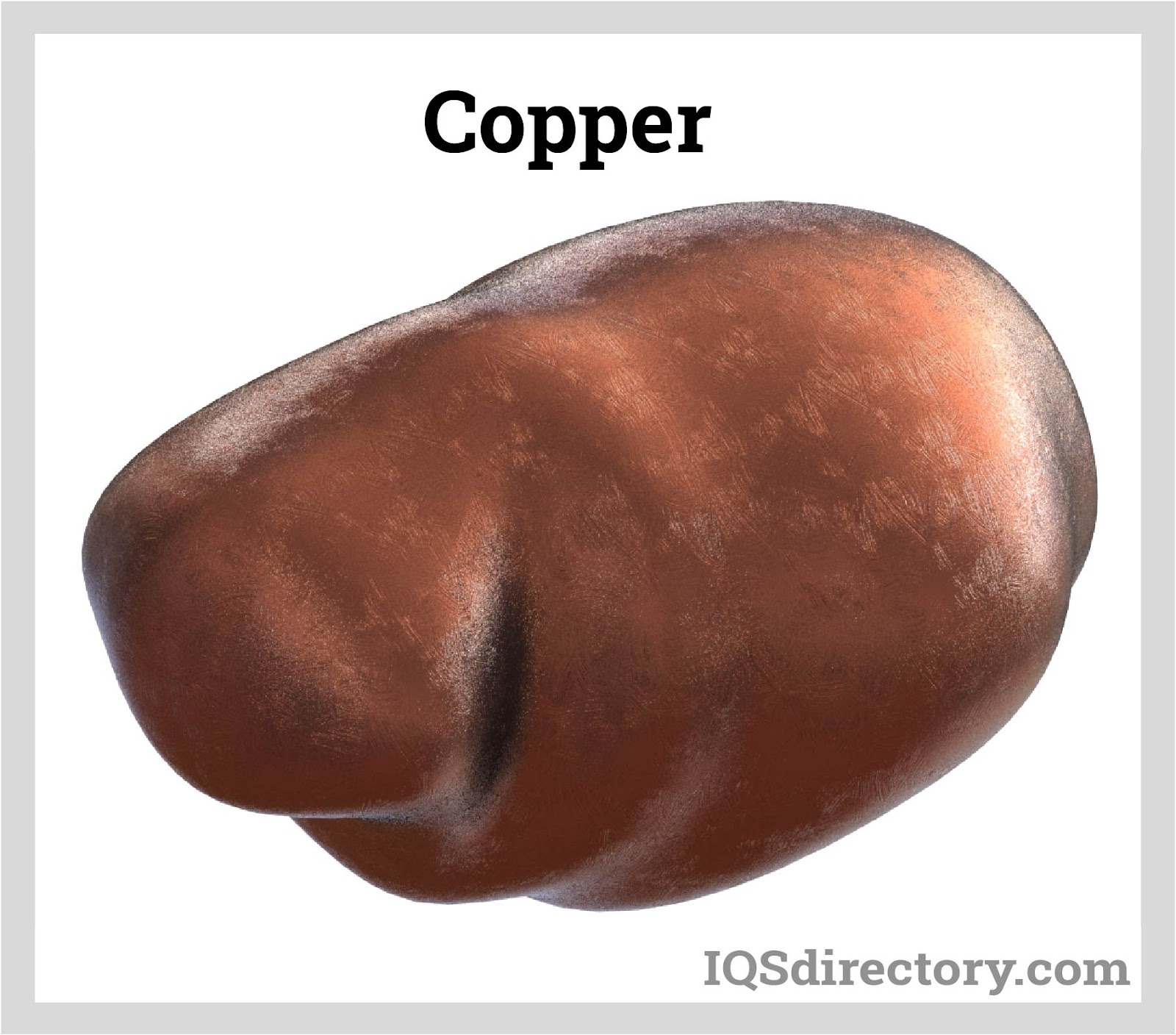
Given the potential environmental risks associated with copper sulfate, researchers and practitioners are exploring alternatives for algae control. Some of these include:
- Biological Control: Introducing natural predators or competitors that feed on algae can help maintain algal populations at manageable levels.
- Physical Removal: Mechanical methods such as harvesting or using aeration techniques can effectively reduce algal populations without chemical inputs.
- Natural Algaecides: Compounds derived from plants or other natural sources are being investigated as safer alternatives to chemical algaecides.
Copper sulfate has established itself as a valuable tool in the management of algal blooms and the maintenance of water quality. Its mechanisms of action—cell membrane disruption, enzyme inhibition, and nutrient uptake interference—make it an effective algaecide in various applications. However, the environmental considerations surrounding its use cannot be overlooked. Sustainable practices and ongoing research into alternatives are crucial for preserving aquatic ecosystems while effectively managing algae. By understanding the science behind copper sulfate, stakeholders can make informed decisions that balance efficacy with ecological responsibility.
In summary, copper sulfate serves as a potent algaecide with significant applications in agriculture, municipal water treatment, and aquaculture. Its effectiveness is countered by environmental concerns that necessitate careful application and consideration of alternatives. Ultimately, a balanced approach will ensure the health of aquatic ecosystems and the safety of water resources for future generations.