Alginate molding powder, derived from brown seaweed, is a natural polysaccharide that has gained popularity due to its versatility in both artistic and industrial applications. This biodegradable material is favored for its unique properties, including its ability to create detailed molds, its quick setting time, and its non-toxic nature. In this article, we will explore the various applications of alginate molding powder, showcasing its significance in different sectors and providing insights through case studies and statistics.
Understanding Alginate Molding Powder
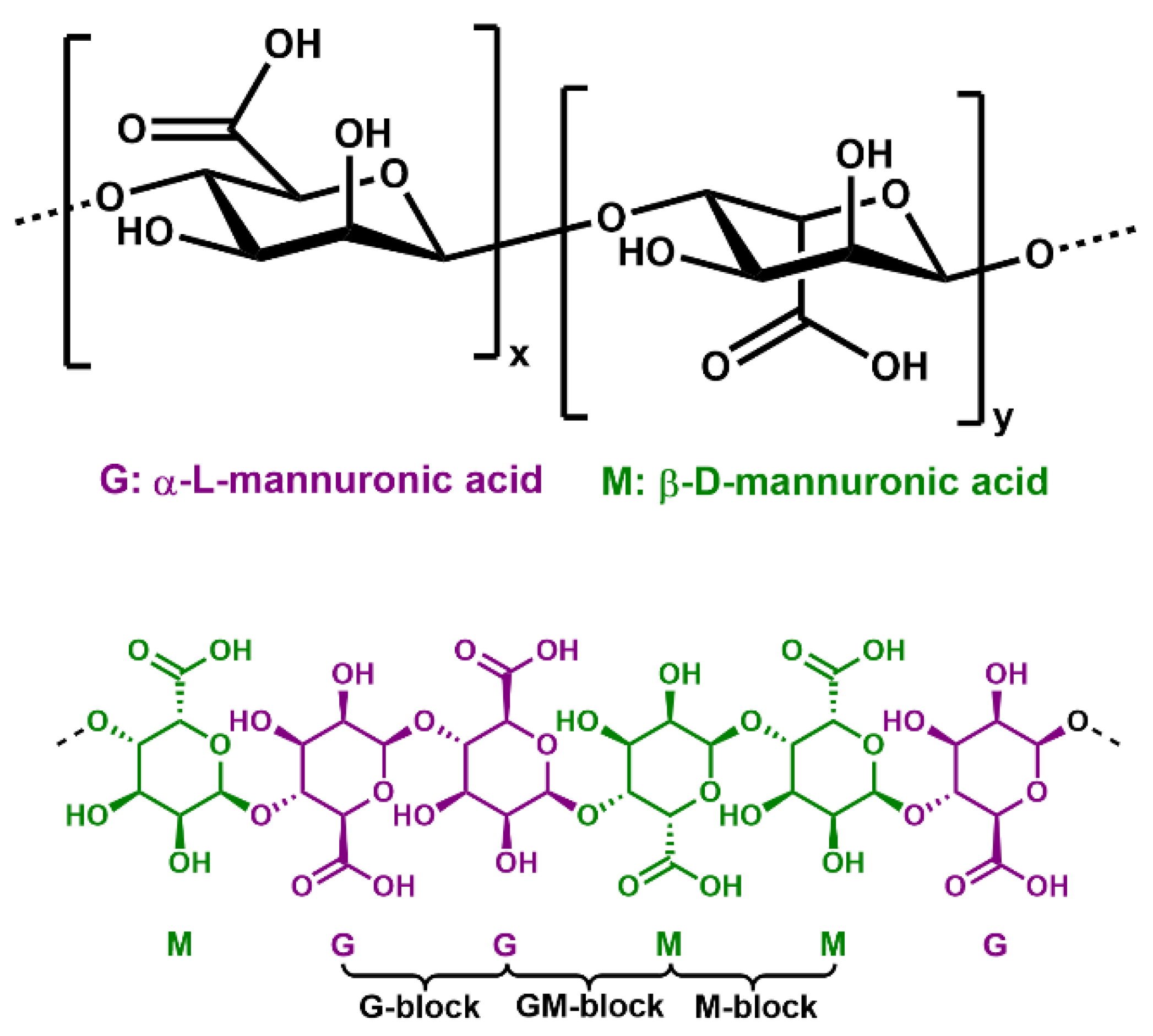
Alginate is a biopolymer extracted from the cell walls of brown algae, primarily species of the genera Laminaria and Ascophyllum. When mixed with water, alginate powder forms a viscous gel that can be poured into molds or used to capture shapes and textures. Its versatility and ease of use make it a favorite among artists, educators, and professionals in various industries.
Applications in Art
In the art world, alginate molding powder is celebrated for its ability to create detailed and accurate reproductions of objects. Its quick-setting property allows artists to work efficiently, making it ideal for various artistic applications.
1. Sculpting and Casting
Alginate is widely used in sculpting and casting to create molds for sculptures, jewelry, and other art pieces. Artists often use alginate for life casting, capturing the intricate details of human features. This process involves:
- Preparing the alginate mixture by combining it with water.
- Applying the mixture directly onto the body part to create a mold.
- Allowing the alginate to set, which usually takes about 5-10 minutes.
- Removing the mold and pouring a casting material (like plaster or resin) into it.
This technique has been employed by artists like Marc Quinn, known for his life-sized sculptures and installations. Quinn’s work often involves the use of alginate molds to create hyper-realistic representations of human form.
2. Prosthetics and Special Effects
In the film and theater industries, alginate is frequently used to create prosthetic casts and special effects. Its ability to capture fine details makes it suitable for creating realistic facial masks and other body parts. For instance:
- Special effects artists use alginate to create molds for character makeup and prosthetics.
- It allows for a quick turnaround in production, as the molds set quickly.
- Alginate molds can be filled with various materials, including silicone and foam, to create lifelike effects.
Notable films such as “The Shape of Water” and “Avatar” utilized alginate molds to achieve their stunning visual effects, showcasing the material’s importance in modern filmmaking.
Applications in Industry
Beyond the realm of art, alginate molding powder finds extensive applications in various industries, including dentistry, food, and pharmaceuticals.
1. Dental Applications
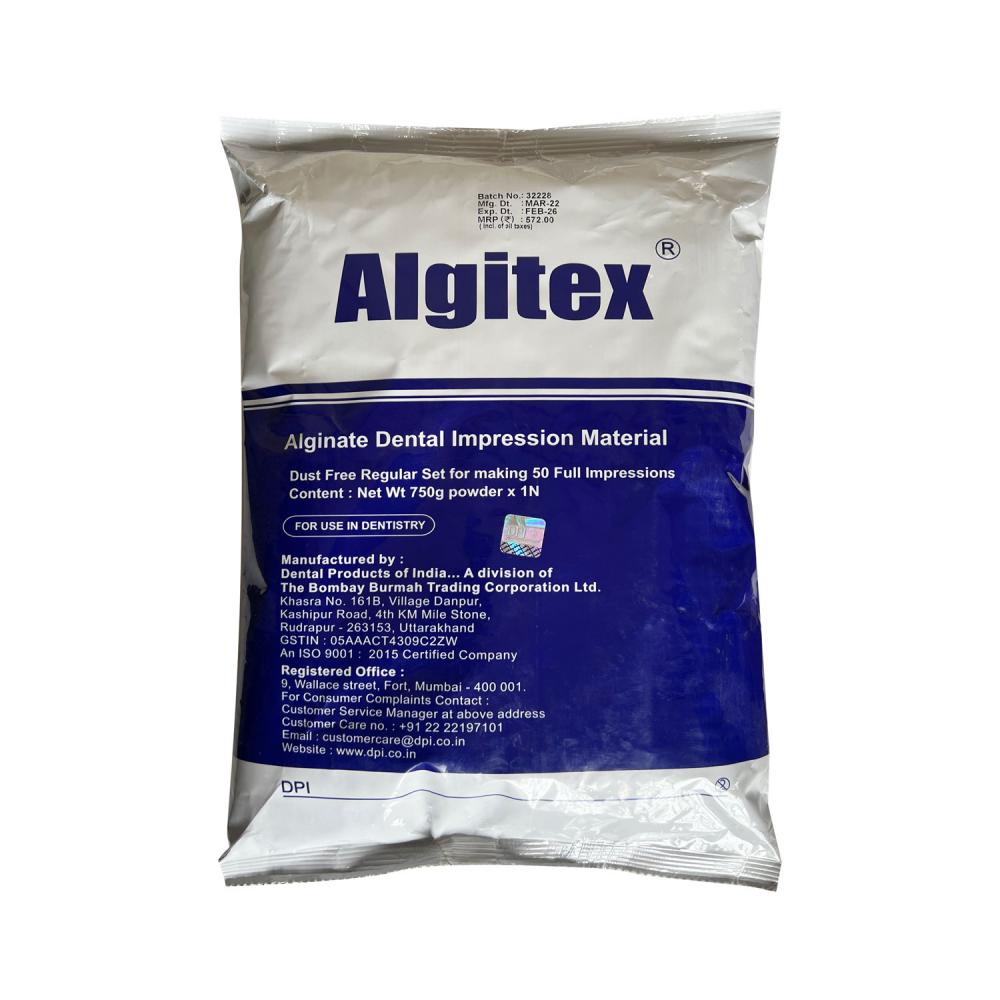
In dentistry, alginate is a key material for taking impressions of teeth and gums. The advantages include:
- Quick setting time, allowing for efficient patient treatment.
- Ability to capture fine details, essential for creating accurate dental models.
- Non-toxic and safe for patients.
Studies indicate that alginate impressions are comparable to other impression materials, such as polyvinyl siloxane, in terms of accuracy (Source: Journal of Prosthetic Dentistry). Dentists widely rely on alginate for creating study models, orthodontic appliances, and temporary crowns.
2. Food Industry Applications
Alginate plays a crucial role in the food industry, primarily as a thickening and gelling agent. Its applications include:
- Used in the production of jams, jellies, and sauces to enhance texture.
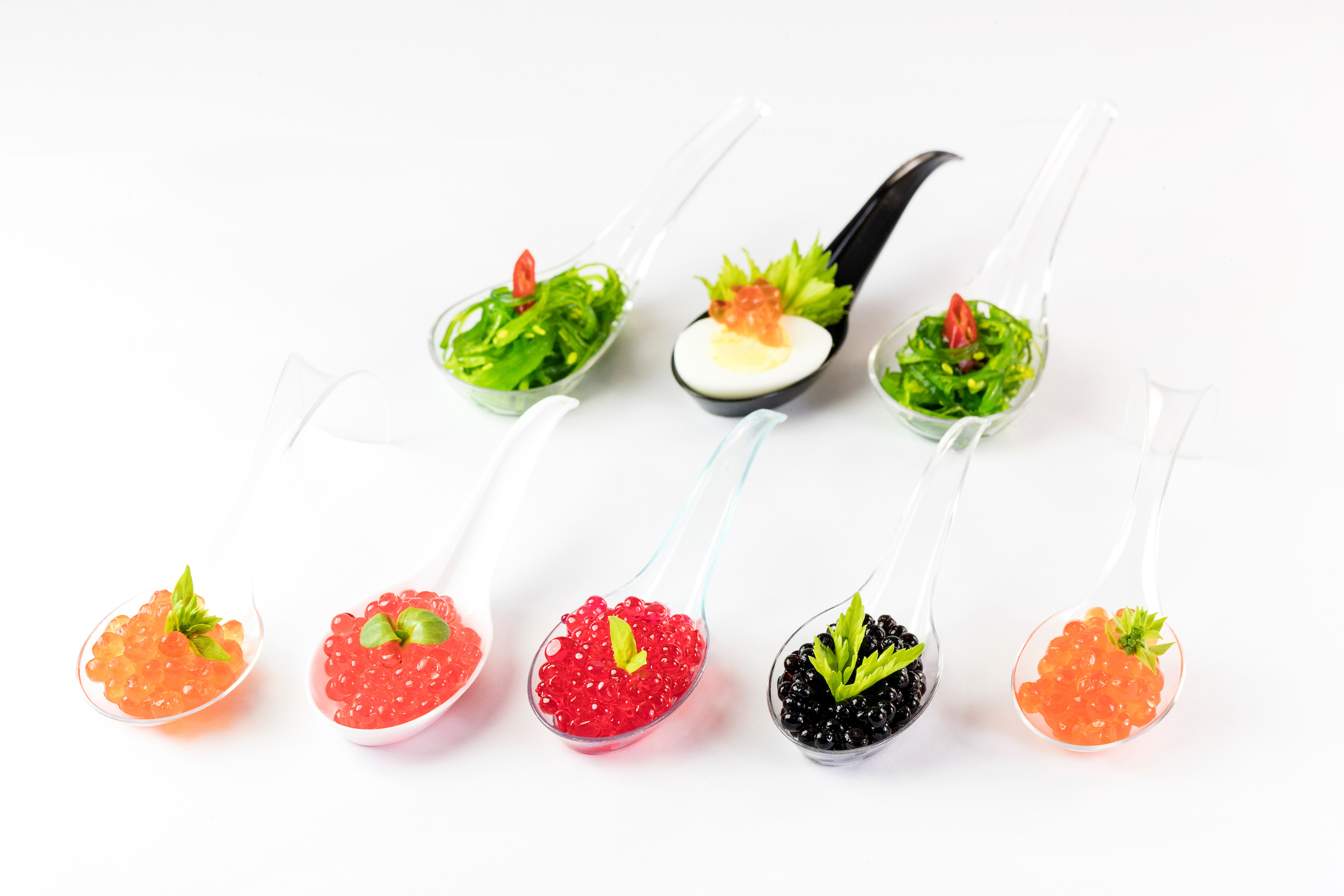
- Utilized in spherification processes in molecular gastronomy, creating caviar-like spheres.
- Acts as a stabilizer in dairy products like ice cream and yogurt.
According to a report by Market Research Future, the global alginate market in the food sector is projected to reach USD 1.3 billion by 2025, reflecting the growing demand for natural and healthy food additives.
3. Pharmaceutical Applications
Alginate is also prominent in the pharmaceutical industry, where it is used as an excipient in drug formulations. Key benefits include:
- Biocompatibility, making it suitable for various drug delivery systems.
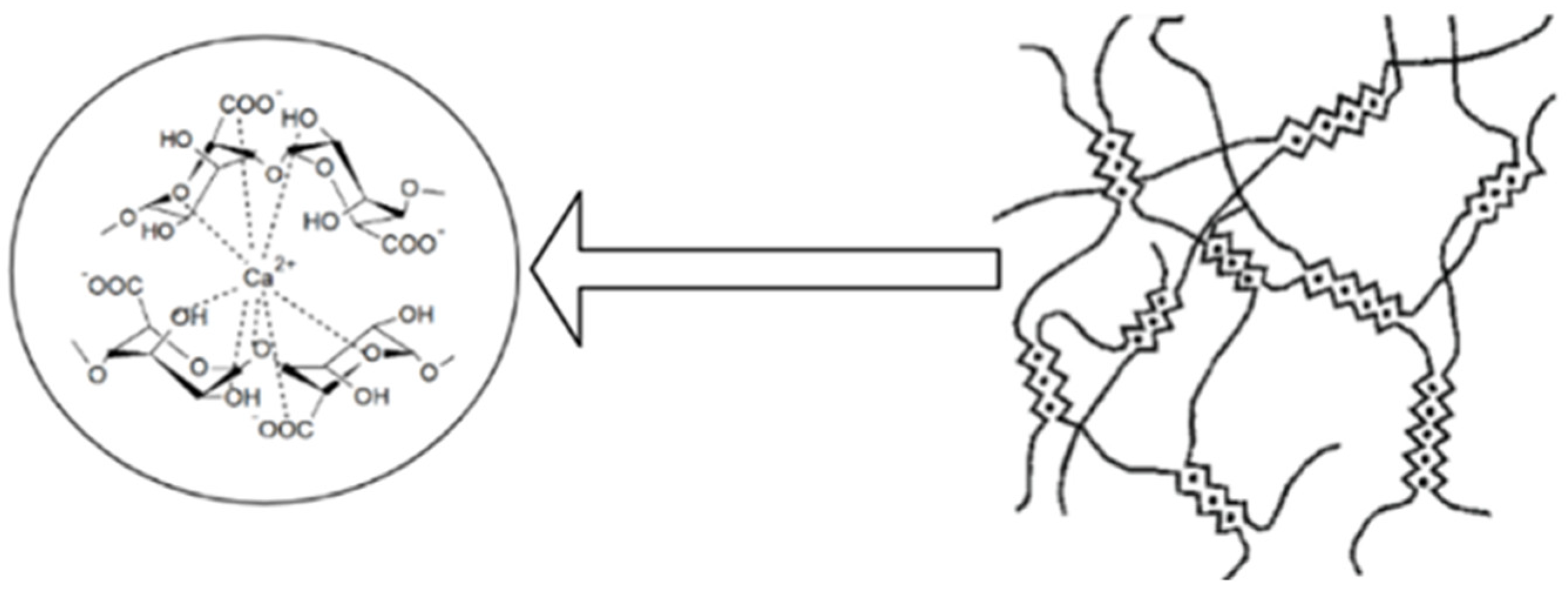
- Ability to form hydrogels, which can be used for controlled release of medications.
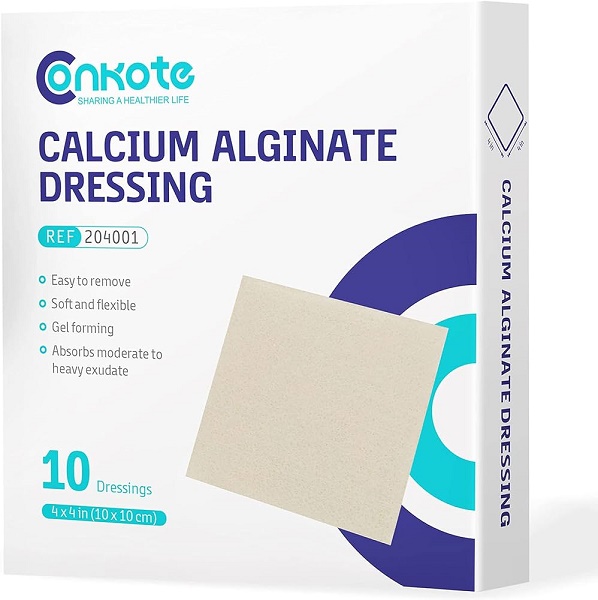
- Utilized in wound dressings due to its absorbent properties.
A study in the “International Journal of Pharmaceutics” highlighted alginate’s potential in creating innovative drug delivery systems, indicating its vital role in advancing pharmaceutical technologies.
Case Studies: Success Stories of Alginate Applications
To further illustrate the versatility of alginate molding powder, let’s examine a few notable case studies from different fields.
1. Life Casting in Contemporary Art
Artist Anthony Gormley is known for his life-sized sculptures that often utilize alginate molds. His work “Another Place,” which features 100 cast-iron figures scattered along the shoreline, began with detailed life casts created from alginate. Gormley’s use of alginate allowed him to explore the human form’s relationship with space and environment, demonstrating the material’s significance in contemporary art.
2. Dental Innovations
In the dental industry, schools like the University of Southern California’s Dental School have integrated alginate impressions into their curricula. The rapid setting and ease of use make alginate ideal for teaching students the fundamentals of impression techniques. This has led to improved patient care and faster workflows in dental practices across the region.
3. Culinary Creativity

Renowned chefs like Ferran Adrià have popularized the use of alginate in molecular gastronomy. At his restaurant El Bulli, he utilized alginate for spherification, creating innovative dishes that transformed traditional culinary experiences. This exploration has significantly influenced culinary trends and sparked interest in alginate’s applications in haute cuisine.
Alginate molding powder stands out as a remarkably versatile material with applications spanning across art and industry. From its use in life casting and special effects in the arts to its essential roles in dentistry, food, and pharmaceuticals, alginate showcases its unique properties and benefits. As industries continue to innovate and explore sustainable materials, alginate’s biodegradable nature positions it favorably for future applications. The case studies examined highlight its impact on contemporary art, dental practices, and culinary creativity, underscoring the essential role alginate plays in shaping our world. As we move forward, the potential for alginate to enhance both artistic expression and industrial efficiency is limitless, making it a vital material for the future.